
Zero Trust for Machines: How Non-Human Identities Fit In
%201.png)


Introduction
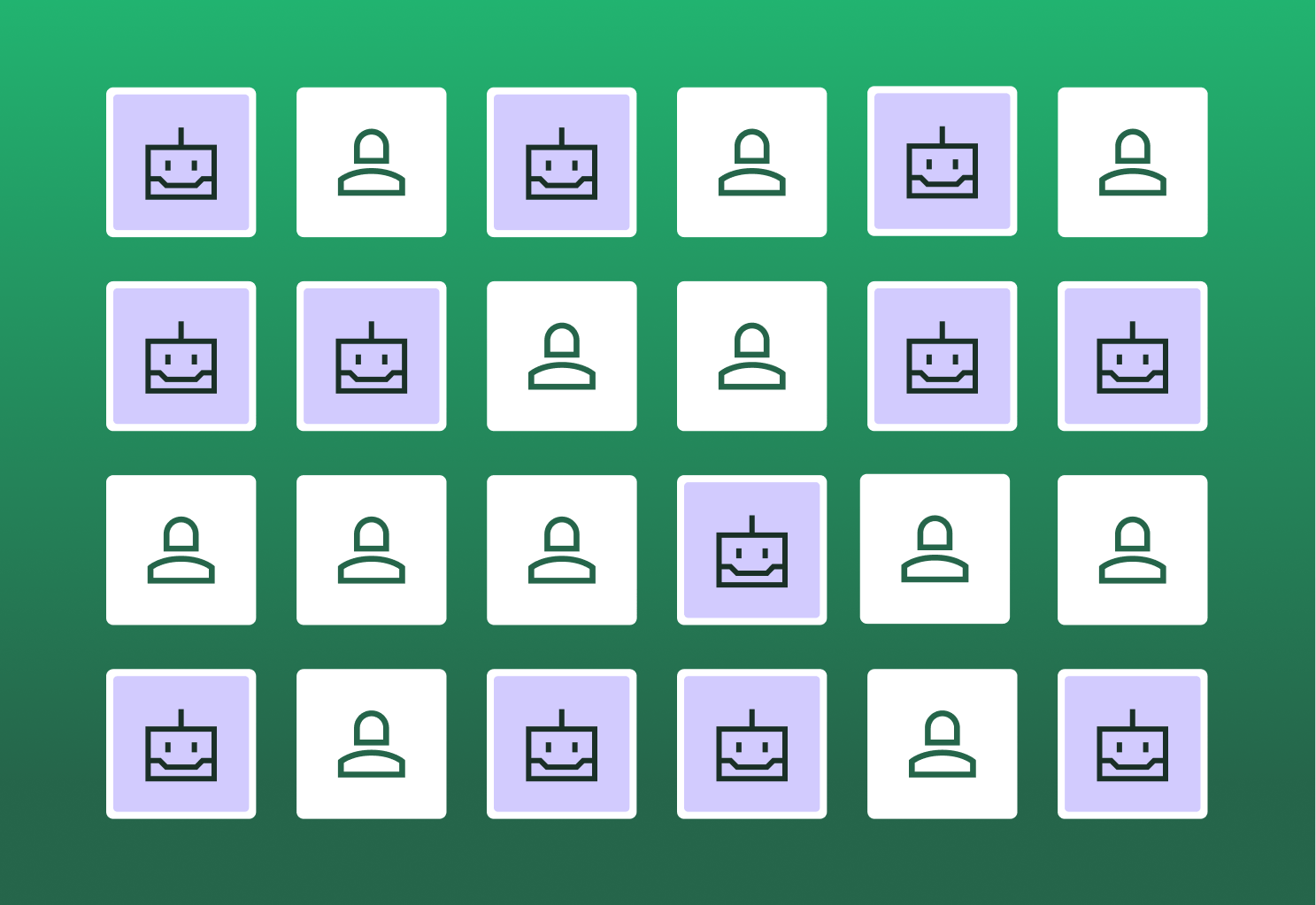
Zero Trust has long centered on human users. But today's organizations now manage 25 – 50 machine identities for each human user. This creates a buzz of constant machine-to-machine activity like APIs calling APIs, containers spinning up, IoT devices scaling, and bots automating work.
So for a company to truly adhere to a Zero Trust standard and reduce risk, every machine identity must be authenticated, authorized, verified, and continuously monitored, just like a human worker's identity is.
This blog looks at how machine identities fit into Zero Trust, how the core principles apply, what a healthy machine trust lifecycle requires, and the challenges organizations must solve to secure machine authentication at scale.
The Role of Non-Human Identities in Zero Trust Architectures
Modern systems rely on more than human identities. Devices, APIs, workloads, bots, and AI systems now act as security identities, making requests, accessing data, and automating tasks.
Examples include:
- IoT/OT devices
- API keys and secrets
- service accounts
- containers and microservices
- RPA bots
- AI/ML pipelines
- SaaS-to-SaaS integrations
- VMs
- Kubernetes pods
Unfortunately, like they steal human identities, bad actors see machine identities as exploitable targets too. Attackers exploit weak spots like exposed API keys, unmanaged service accounts, and expired certificates, all areas where many organizations still lack visibility and control.
Identity as the New Network Perimeter
In Zero Trust, identity, not the network, is the perimeter. In machine-heavy environments, that makes machine identity a core security boundary.
This requires defenders to:
- Evaluate machine identity and posture for every access request
- Use automated, certificate-based, cryptographic authentication
- Enforce least-privilege, context-aware authorization
- Monitor API behavior, device activity, and interservice calls for anomalies
If machine identities aren’t governed rigorously, Zero Trust remains incomplete and leaves major blind spots across cloud, SaaS, and hybrid environments.
Applying Zero Trust Principles to Machines
Zero Trust’s core pillars of continuous verification, least privilege, and contextual authentication apply fully to machines. But machines require more automation, tooling, and lifecycle management than human accounts.
Continuous Verification
Machines authenticate constantly, so verification must be automated, scalable, cryptographic, and built into gateways, service meshes, and orchestration. Since machines can't use traditional logins, Zero Trust depends on mTLS, token introspection, certificate checks, behavioral analytics, and runtime posture assessments.
Least Privilege
Machines should access only what they need—one endpoint, read-only storage, telemetry-only permissions, or a single workflow. Over-permissioned service accounts are common and create hidden attack paths, making strict access scoping essential.
Contextual Authentication
Context matters with machine identities: which service is calling which API, device health, runtime posture, certificate integrity, and unusual timing or volume. Adaptive, context-aware controls help stop lateral movement, especially if a machine identity is compromised.
Zero Trust Pillar Comparison for Humans vs Machines
Zero Trust only works when every identity is governed consistently. The following table compares how each Zero Trust pillar is implemented for users versus workloads, devices, and APIs.
Lifecycle Management for Machine Identities
Machine identities differ from human accounts. They’re created automatically, scale fast, live briefly, need constant rotation, and often lack clear owners. This makes a structured lifecycle essential to prevent sprawl and maintain trust.
A complete lifecycle includes four parts:
1. Provisioning
Establish trust at creation: assign least privilege, inject certificates or keys, register with identity systems, and sync with service meshes or orchestration.
2. Rotation
Machine credentials expire quickly. Automated certificate renewal, API key regeneration, short-lived tokens, and policy-based secret rotation are required to maintain continuous trust.
3. Deactivation
Ephemeral workloads disappear fast. Their identities must be removed immediately to prevent orphaned accounts, stale certificates, and shadow access via old credentials.
4. Compliance Tracking
Standards like NIST 800-207, CISA, FedRAMP, HIPAA, and PCI DSS now require auditable machine-identity governance. Organizations must standardize and continuously monitor these controls.
Implementation Challenges
Zero Trust for machine identities is achievable but difficult. Most organizations face four main challenges:
1. Legacy Device Compatibility
Many older devices can’t support modern identity controls like mTLS, secure boot, or certificate enrollment. When they can’t be replaced, they must be isolated, segmented, wrapped with gateways, or given compensating controls, or they remain major Zero Trust blockers.
2. Certificate Orchestration Complexity
Enterprises may manage thousands to millions of certificates across multiple CAs and clouds, leading to expired certs, untracked keys, manual processes, rogue CAs, and weak rotation. Automating issuance, renewal, governance, and revocation is one of the hardest tasks in machine identity security.
3. Shadow Machine Identities
Developers often create unmanaged credentials like hardcoded secrets, untracked API keys, repo-stored passwords, copied test certs, or unsanctioned bots. These shadow identities are prime attack vectors. Eliminating them is essential for Zero Trust.
4. Fragmented Policy Engines
Machine identity rules often live across many tools like API gateways, cloud platforms, IAM systems, endpoints, Kubernetes RBAC, and device managers. Fragmentation creates inconsistent trust decisions. Zero Trust requires unified, identity-based policy enforcement across all environments.
Conclusion
Zero Trust can’t stop with human access. Zero Trust must include every device, workload, API, bot, container, microservice, and AI agent.
A future-ready machine-focused Zero Trust program includes:
- Continuous cryptographic verification
- Least-privilege access
- Context-based authentication
- Automated lifecycle management
- Centralized certificate and token control
- Behavioral monitoring
- Unified policy enforcement
Machines now handle most internal activity and need protections equal to, or stronger than, those in place for humans. Implementation of a smart Zero Trust strategy isn’t complete until machines are considered and secured just like human identities.
Secure Every AI Agent.
From Creation to Runtime.